Health Sigma helps regional payer improve provider data quality

Health Sigma helps regional payer improve provider data quality

Most payers struggle to manage and maintain provider data. On an average, 1 in 3 providers have a change in their information every year. Payers receive provider information from multiple sources – tracking and making appropriate updates to the provider master has always been a challenge. Industry spends over $2B every year on provider data and yet problems persist.

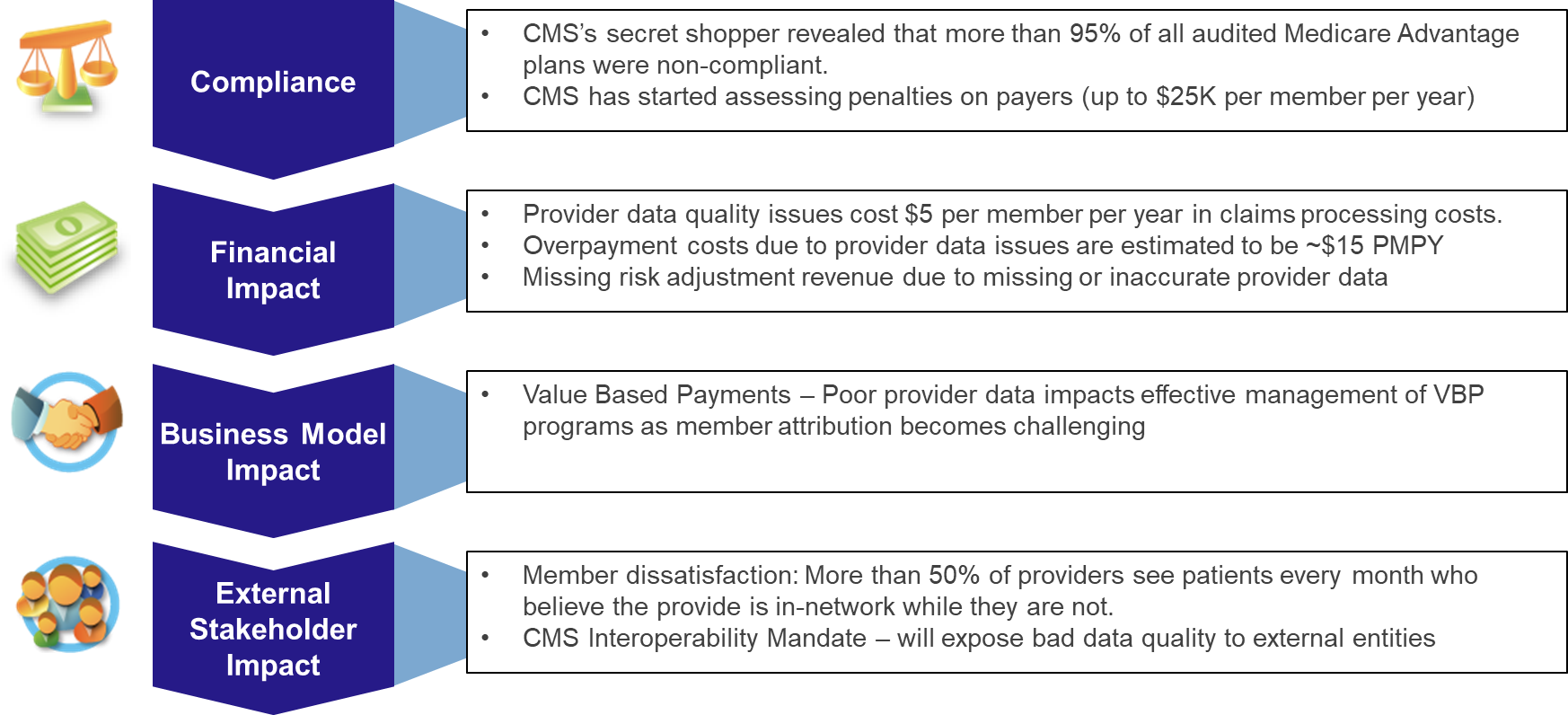
Bad provider data has significant costs to payers.

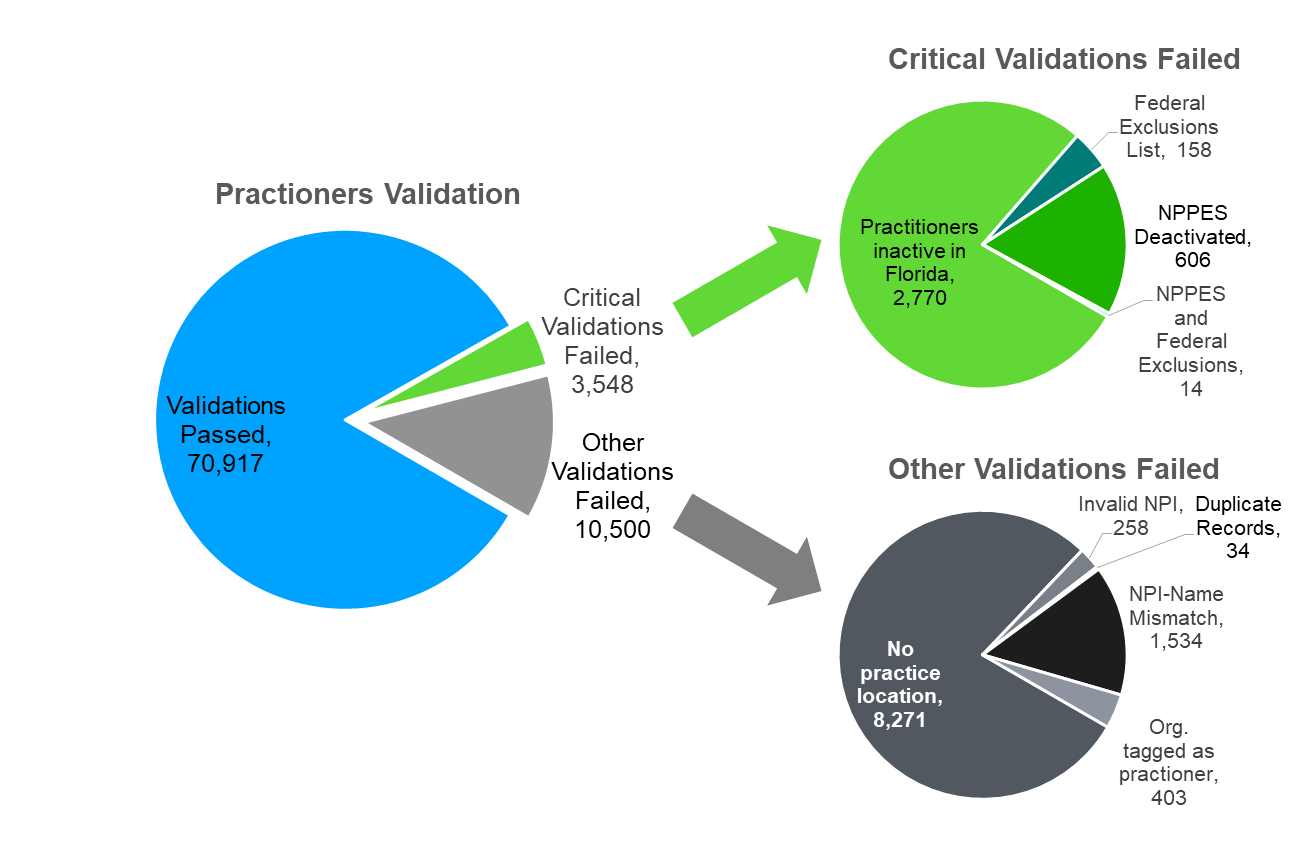
Health Sigma analyzed provider data for a regional FL payer with about 85,000 providers. Data quality assessment by Health Sigma identified that 4.2% of providers failed critical validations like inactive licenses, federal sanctions and NPPES issues. An additional 12.4% practitioners have other data integrity issues like invalid NPI, duplicate practitioners, NPI-Name mismatches and practitioners without a physical location.

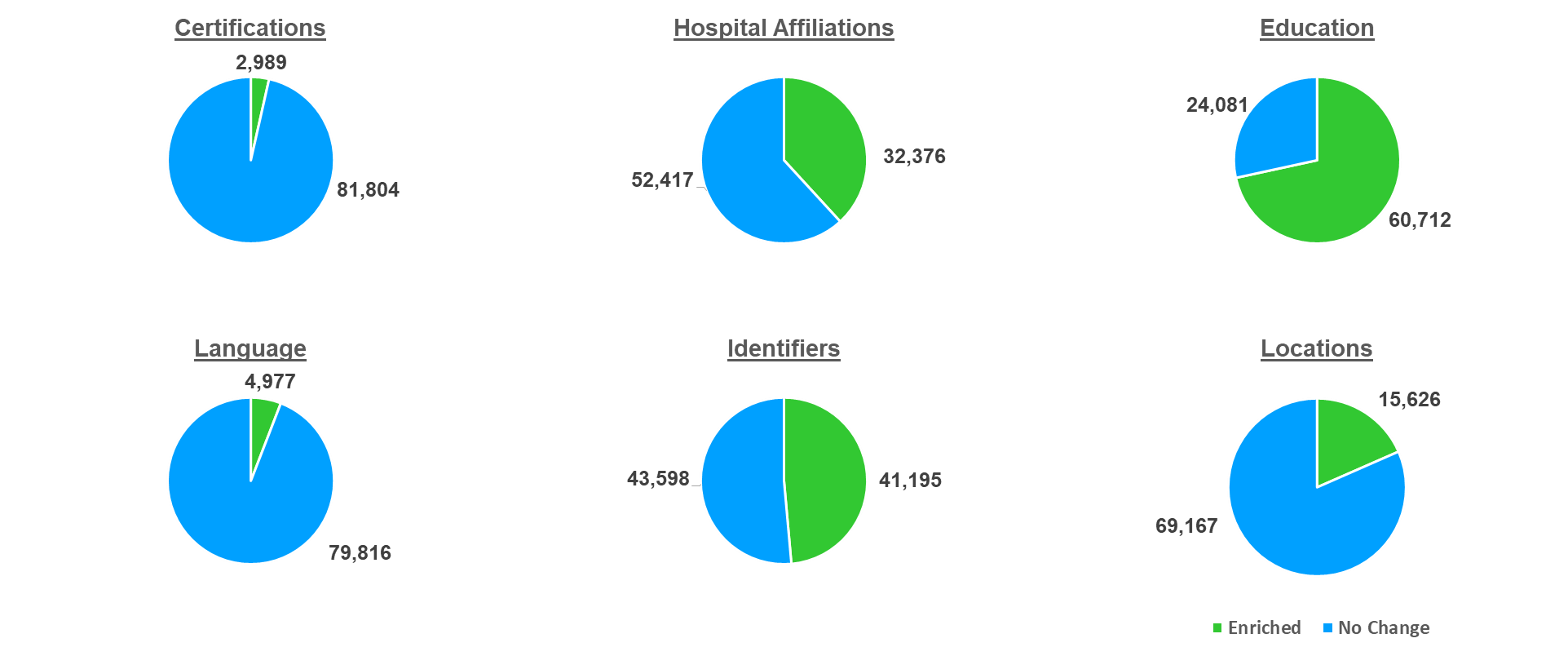
Apart from identifying issues in the provider data, Health Sigma enriched key information for providers leveraging automated data feeds from federal, state and other data sources

Read More

Medical Spend Analytics – Case Study

Medical Spend Analytics – Case Study

CFOs and CMOs get better insights into medical spending through HSI’s Medical Spend Analytics.

Payers, ACO, and self-insured employers don’t have a great insight into their medical spending – what accounts for year-over-year change. Without such insights, leadership cannot identify areas to target to manage costs and outcomes.

Health Sigma’s AI-driven Medical Spend Analytics to the rescue:

Health Sigma (HSI) has applied its Claims Analytics platform capabilities to this problem. HSI’s AI-driven claims analytics analyzes historical claims to parse out components impacting the spend and quantify their impact.

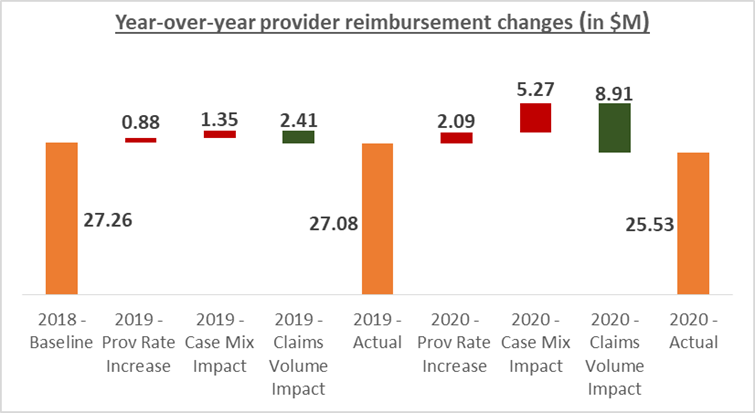
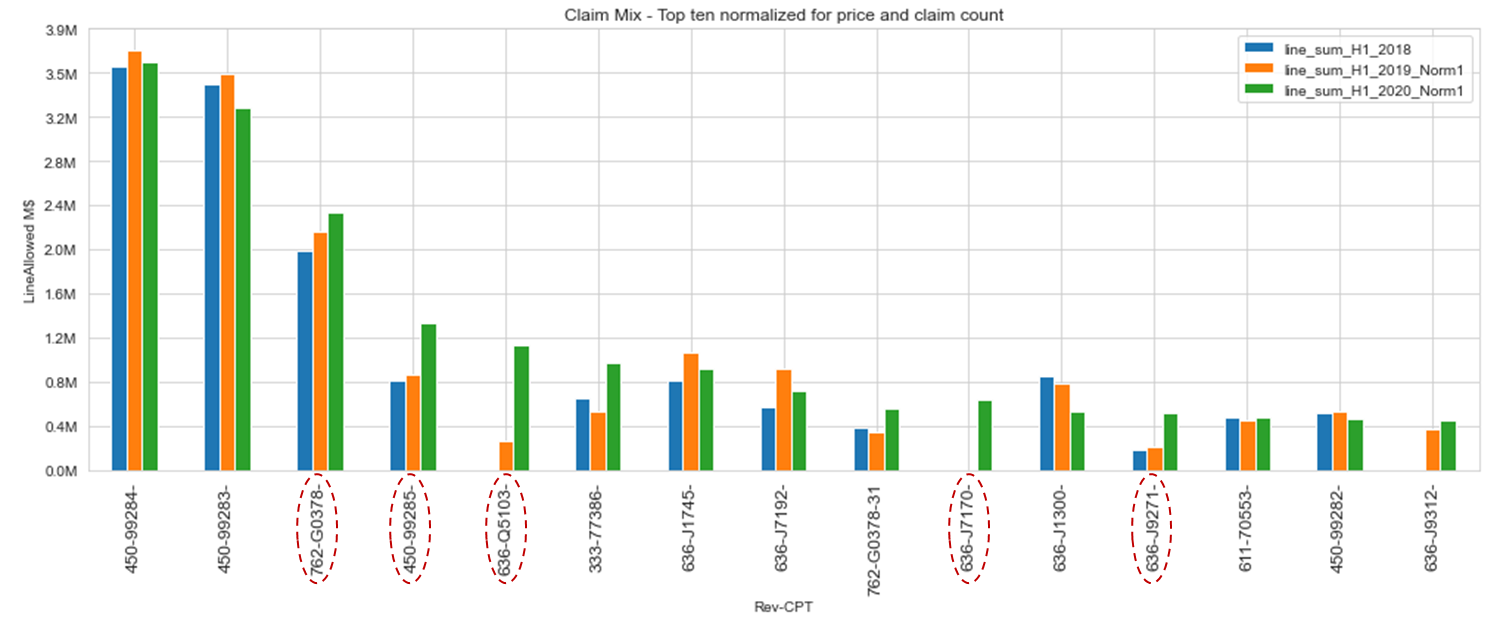
For a regional health plan, HSI conducted the analysis. The data below shows the payer’s reimbursement to one of its hospitals. While the year-over-year reimbursement to the provider reduced from $27.26M in 2018 to $25.53M in 2020, deeper dive analysis shows that most of the decrease in reimbursement is due to reduce claim volume. 

HSI Claims Analytics Results:

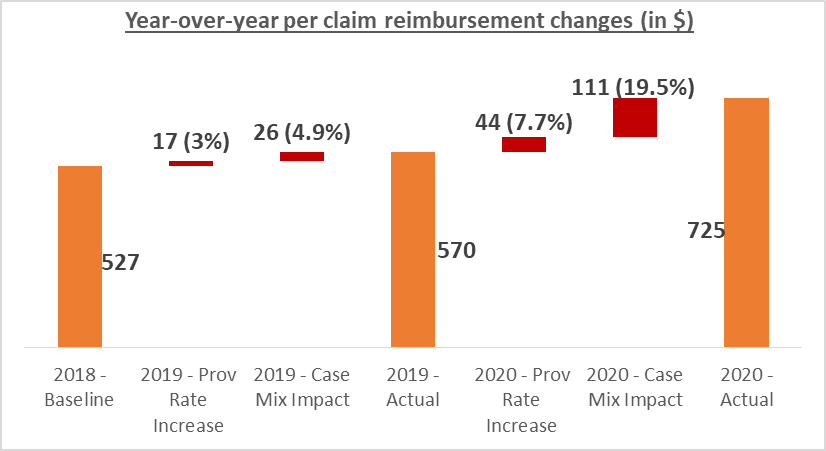
HSI further normalized the data by claim volume to quantify the impact of reimbursement rate increases and case-mix (member risk). 

Insights:

  • Member-risk reflected in case-mix has been increasing year-over-year. 2019 saw a 4.9% increase in the utilization of higher-cost services (normalized for rate increases and membership changes). The same metric for 2020 was 19.5% – unsustainably high. 
  • Provider rate increase impact: While the impact of provider rate increases was a reasonable 3% in 2019, it was 7.7% in 2020. The provider contracting team needed to do a better job of rate negotiation as the effective rate increase (across all services and accounting for utilization levels) was 7.7%. 

Read More

Utilization Analytics Case Study

Utilization Analytics Case Study

Utilization Analytics for Medical Management Leadership

Medical management leadership needs insights on utilization trends – normalized for rate increases, membership changes, and other variables. Understanding utilization trends can help UM teams better focus their energies on services with a spike in utilization. Medical management leadership lacks transparency into utilization numbers at the most granular level to make informed decisions and impact medical spending.

Health Sigma’s AI-driven Utilization Analytics to the rescue:

Health Sigma (HSI) has applied its Claims Analytics platform capabilities to this problem. HSI’s AI-driven claims analytics analyzes historical claims to identify trends normalized for rate changes, membership changes, and other variables that impact utilization.

HSI Claims Analytics Results:

For a payer, HSI’s analytics identified: 

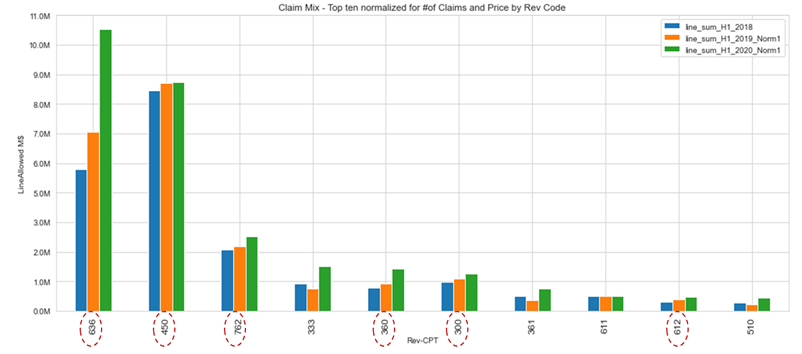
  • 8% of reimbursement in 2020 were for services not reimbursed in previous years.
  • Generated a list of services reimbursed for the first time – for deeper dive review by the payer’s medical management team.
  • Flagged list of services with a significant jump in reimbursements – adjusted for rate increases and membership changes. For example, drug reimbursements and higher tier emergency admissions, normalized for reimbursement rates and membership, saw a steady increase in utilization.
  • Medical Management can refine UM policies based on the insights.

Read More

High-Need-High-Cost (HNHC) Analytics – Case Study

High-Need-High-Cost (HNHC) Analytics – Case Study

HSI helps payers identify high-need-high-cost population prospectively – with 80% accuracy

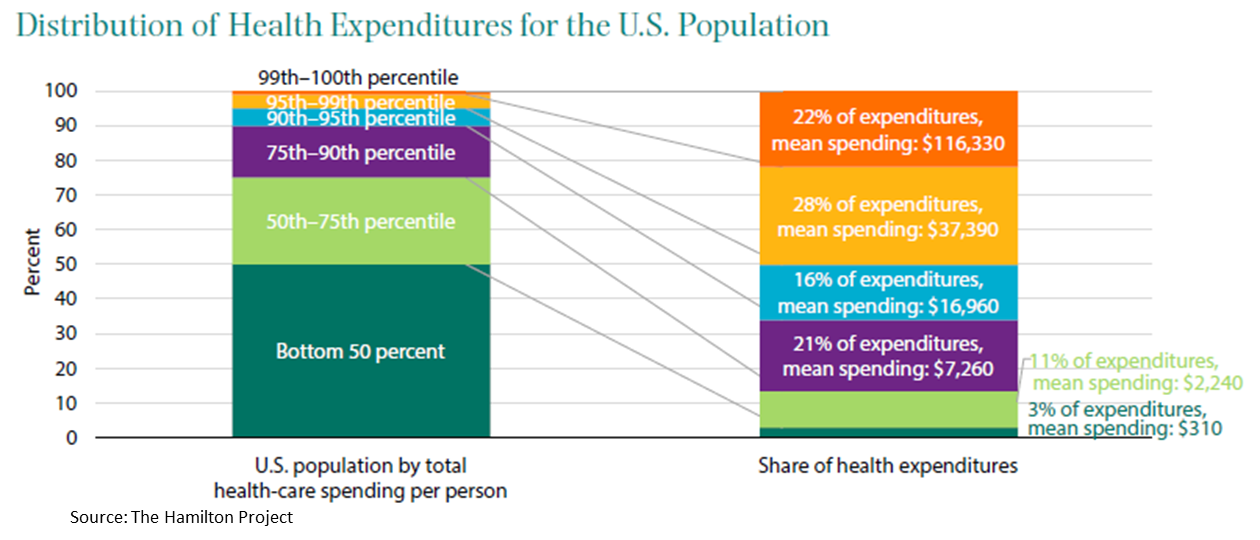
Healthcare consumption is uneven across the covered population. In fact, it is extremely skewed towards the top. The bottom 50% of consumers account for only 3% of healthcare spend while the top 1% accounts for 22% of the spending. 

For a payer, ACO, self-insured employer, or any risk bearer, identifying the high-utilizers prospectively (i.e. before the fact) is critically important. Not only can the risk-bearer manage financial risk better but also improve outcomes for this population. Even a small reduction in the utilization by this population, through proactive medical management, can have a meaningful impact on profitability. 

Traditional approaches to identifying the HNHC population are not very effective. Risk scores (typically used for identifying HNHC) are a poor predictor of future spending – only 20-25% of the utilization is explained by member risk scores. 

Health Sigma’s Artificial Intelligence to the rescue:

Health Sigma (HSI) has applied its Claims Analytics platform capabilities to this problem. HSI’s AI-driven prediction model uses historical claims, co-morbidities, risk scores, diagnosis codes, social determinants of health (SDOH) among others to drive the analysis

HSI Claims Analytics Results:

HSI’s AI-driven analytics identifies the target populations with better accuracy than other competing models. 

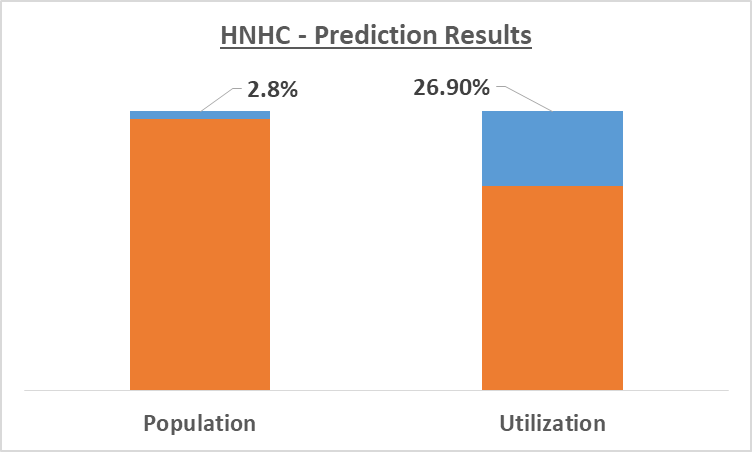
For a Medicaid plan, HSI identified 2.8% of the total population that will have high utilization, 27% of total spend to be precise. 

Prediction accuracy: Back-tested against historical data, 80% of predicted high-utilizers were in the top 10% of utilizers

Read More

A 299 bed, Chicago based hospital where we analyzed a pool of $26M of payer payments.

A 299 bed, Chicago based hospital where we analyzed a pool of $26M of payer payments.

About our customer

Our customer in this case study is a 299-licensed bed hospital with a mission is to provide compassionate medical and nursing care as well as advanced diagnostic and treatment services. The hospital provides the highest quality of healthcare to a densely populated community which includes industry leading spine and orthopedic practices, a radiology center, and an extensive outpatient services center. 

Getting started

To analyze underpayments, we first analyzed the payer mix and then focused on top payers – BCBS, Humana, United, Cigna, Aetna & Meridian. We zeroed in on $25.7M in payer payments for underpayment analysis.

Health Sigma then analyzed a pool of $26M of payer payments. Less than 1% of claims had underpayments. However, those underpaid claims accounted for $291K in underpayments. 

Underpayments Analysis

What we found:

  • Accuracy of payments varied significantly
  • UHC, BCBS and Meridian had low underpayment rate (~0.2%)
  • Humana had 1% underpayment primarily due to erroneous DRG downgrades
  • Cigna had most egregious rate – primary root cause was due to continuing to apply special discount clause that termed 5 years ago

In addition to incremental revenues, Health Sigma’s analysis identified

  • Coding best practices that would generate incremental revenues
  • Contract issues including:
    • Products that did not have rate increases for last 5 years
    • Rate comparisons across payers – so the hospital could renegotiate with payers paying significantly lower than other payers
  • Process to track DRG downgrades – so they can be appealed, and correct payment realized
  • Understanding and interpretation of Experience Files from BCBS – a unique payment process Blues apply in certain markets

Read More

Financially Savvy Hospitals Are Leveraging Data, AI & ML to Boost Revenue Recovery.

Financially Savvy Hospitals Are Leveraging Data, AI & ML to Boost Revenue Recovery.

Hospitals continue to lose billions of dollars of income they deserve and desperately need to provide care for their communities. The average hospital leaves up to $22 million on the table, according to research. 

What cannot be measured cannot be managed. Hospitals leave money on the table because they cannot identify revenue leaks effectively. Most hospitals rely solely on traditional revenue recovery approaches

Healthcare is a highly data rich function. Advances in Data Sciences, Artificial Intelligence (AI), and Machine Learning (ML) can identify revenue opportunities that humans and traditional approaches miss.

Artificial Intelligence to the rescue:

  • 60% of healthcare executives forecast that predictive analytics will save their organization 15% or more over the next five years.
  • 87% of executives say predictive analytics is important to the future of their business.

How AI and ML can fix revenue leaks:

Traditionally, revenue cycle performance is assessed using KPIs against industry benchmarks and historical performance. Financially savvy hospitals are able to see beyond the traditional KPIs, while laggards are not. Financially savvy hospitals can identify the revenue leaks and their root case. 

AI and ML can supercharge efforts to measure and analyze denial reviews, underpayments and more.

Predictive analytics helps make decisions using both historical and real time data. This capability enables the organizations to focus on “what should be done”. For example, Predictive analytics use the historic revenue performance and predict future revenue and project risk by assessing Revenue at Risk (RAR)

RAR = Revenue denied + Revenue underpaid + Self pay revenue 

According to industry research and HealthSigma desk research, 

  • Denials cost $118 dollars per claim to appeal. This is a $8.6 billion administrative costs to the healthcare industry. 
  • 1–5% of self-pay accounts written off as bad debt have billable insurance unknown to the provider. This is equivalent to leaving money on the table. 

A data savvy hospital knows where to focus their recovery efforts with precision.

AI and ML combined can predict patient accounts at risk for non-payment. Analytics can quantify the registration errors, insufficient documentation, and unclean claims. These represent areas that directly influence non-payment and claim delays. 

AI and ML is essentially helping decision makers focus squarely on cases which will yield additional revenues for the hospital. Data savvy hospital are able to scale this focus across the enterprise with the help of AI and ML. The laggards rely on human efforts solely.

Health Sigma Case Study 1:

AI Driven Analytics helps Orthopaedic surgery practice avoid leaving money on the table

For a multi-location, Texas based Orthopaedic surgery and sports medicine practice, Health Sigma’s AI Driven Analytics identified underpayments of approx. $500,000 across an annual revenue of approx. $15M. 

To start with, the AI engine is trained not to overly focus on small amounts, but on amounts that can collectively move the needle for underpayments recovery. 

A small percentage of claims, 2 – 4% met the minimum threshold and delivered a meaningful impact to the bottom-line. We observed that underpayments ranged from 2.5% (for BCBS) to 3.84% (for Aetna). 

The AI engine can continue to learn and work almost autonomously for lower amounts. However, there is always an informed balance to be struck between efforts and potential underpayments recovery.

Health Sigma Case Study 2:

Health Sigma’s AI Driven Analytics discovers $500,000 of underpayments for cash starved hospital

The context is a 50 bed hospital with approx. $160M in billed charges and approx. $100M in revenues across Inpatient, Outpatient and Clinic. 

Health Sigma’s AI Driven Analytics poured over 2018 Medicare IP Claims which accounted for revenues of $11.63M. 

The AI powered analytics smartly identified approx. $700K of potential underpayments. That is a potential 6%+ impact to the bottom-line of a cash starved facility. From this consideration set, the AI predicted with a high degree of confidence that approx. $500K will be recovered.

AI and ML to analyze revenue cycle margin opportunities: 

With the help of analytic tools, AI, and ML, providers can identify and categorize the root causes of revenue leakages from historical data and new patterns in real-time. These categorizations can then be represented as a Value Matrix. The Value Matrix guides recover opportunities with the best mix of efforts needed and RoI.

The Value Matrix for denials: Source HFM

AI and automation to improve revenue margins:

Revenue cycle is associated with time-consuming and repetitive processes that are tedious and subject to human error. 

Leading industry research and HealthSigma internal research predicts the cost to collect will decrease between 25% to 50% over the next 5 to 10 years due to automation and advances in Data Sciences like AI and ML.

AI and ML can help in identifying the right codes the first time to prevent re-work and associated costs for the appeals. This further reduces the days for claim submissions, thus reducing the risk of untimely fillings.

AI can generate the data that categorizes the accounts handling and helps in strategic talent allocation, assigning specific accounts to the right staff members to maximize their expertise. 

The most common reasons for denials were authorization-related denials due to changes in service and incomplete information. AI and ML can bring these datasets together from various source systems to evaluate line-item level denials with high precision, scale and speeds humans alone cannot match.

Conclusion:

Every hospital is prone to revenue leaks in revenue cycles. Analytics and advanced data science capabilities differentiate the financially savvy hospitals from the rest. Turning raw data into a reliable, scalable decision-making tool is non-trivial. The path to effectively using data sciences starts with the desire and ambition to think beyond traditional approaches. The journey also involves selecting the right partner with a proven track record. A partner that deeply understands that hospitals deserve every dollar that is owed to them, so that they can continue to keep out communities healthy and productive. 

Read More